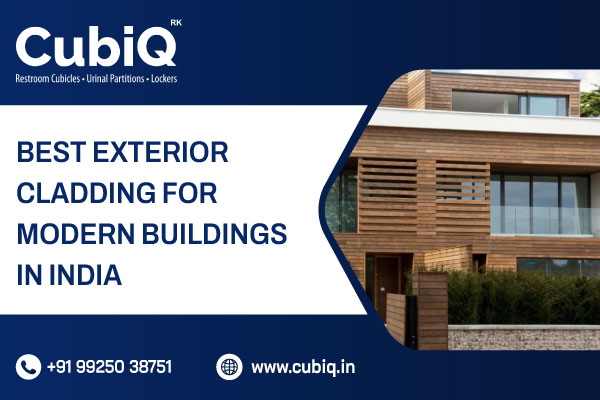
Exterior cladding is one of the most important elements in modern architecture. It serves not only as a protective layer for buildings but also enhances the aesthetic appeal, energy efficiency, and overall durability of the structure. In India, where weather conditions vary drastically—from the scorching summers of Rajasthan to the heavy monsoons in Kerala—choosing the right cladding material is essential for long-term performance. Exterior cladding helps shield the structure from rain, heat, and pollution while also reducing maintenance costs and adding a stylish appearance. For modern buildings, cladding has become both a practical necessity and a design statement.
Factors to Consider When Choosing the Best Exterior Cladding
When selecting exterior cladding for a building, several factors should be carefully considered:
- Durability: The cladding material should withstand weather conditions, pollution, and daily wear.
- Aesthetics: Design, texture, and color should complement the architectural theme.
- Sustainability: Eco-friendly and recyclable materials are increasingly in demand.
- Maintenance: Low-maintenance materials save costs over time.
- Cost-Effectiveness: A balance between upfront cost and long-term value is important.
- Thermal Performance: The material should provide insulation and contribute to energy efficiency.
Popular Exterior Cladding Options in India
- Stone Cladding: Stone cladding offers timeless elegance and exceptional durability. It is ideal for luxury residences and commercial spaces but can be expensive and heavy, requiring strong structural support.
- Wood Cladding: Wood adds warmth and natural beauty. It is sustainable and attractive but requires regular maintenance to resist termites, moisture, and fading due to Indian weather conditions.
- Metal Cladding: Aluminum and steel are commonly used for modern, sleek designs. Metal cladding is durable and resistant to fire but may require protective coatings against rust in coastal or high-humidity areas.
- Vinyl Cladding: Vinyl is lightweight, affordable, and easy to install. However, it may not withstand extreme Indian temperatures as effectively as other options and is less eco-friendly compared to alternatives.
- Fiber Cement Cladding: A popular choice in India, fiber cement balances durability, affordability, and low maintenance. It resists termites, moisture, and fire while offering versatile design options for both commercial and residential projects.
Best Exterior Cladding for Modern Buildings in India
- Durability: Stone and fiber cement rank the highest for long-lasting performance. Stone withstands decades of weathering, while fiber cement offers durability at a lower cost.
- Sustainability: Wood and fiber cement score well for sustainability. Certified wood is renewable, while fiber cement is eco-friendly and recyclable.
- Aesthetics: Stone gives a premium look, wood adds natural charm, and metal cladding creates modern appeal. Fiber cement offers versatile finishes, making it a cost-effective aesthetic option.
- Cost-Effectiveness: Vinyl is the cheapest option, but fiber cement provides the best balance of cost, design, and durability. Stone, though expensive, remains a premium choice for high-end projects.
Performance in Indian Weather
- Stone: Excellent in all climates but expensive.
- Wood: Struggles in humid regions unless treated.
- Metal: Performs well but needs anti-corrosion treatment in coastal areas.
- Vinyl: Not ideal for extreme heat zones.
- Fiber Cement: Reliable in all weather conditions, making it highly suitable for India.
Future Trends in Exterior Cladding for Modern Buildings
The cladding industry in India is evolving with innovative technologies and sustainable practices:
- Eco-Friendly Materials: Recyclable and low-carbon cladding materials are gaining popularity.
- Smart Cladding Systems: Integration of thermal insulation, rainwater management, and ventilation for energy efficiency.
- 3D Printed Cladding: Advanced manufacturing methods for customized, intricate designs.
- Composite Panels: Use of advanced composites to provide strength with lightweight construction.
- Minimalist Designs: Sleek, modern finishes with neutral colors and clean lines.
These trends are expected to shape the future of architecture, balancing sustainability with innovation.
Why Choose CubiQ?
Selecting the right cladding solution is vital for any modern construction project, as it impacts durability, aesthetics, and long-term performance. When it comes to the best exterior cladding for modern buildings, CubiQ has earned a reputation for excellence. As a trusted exterior cladding manufacturer, CubiQ delivers products that combine strength, sustainability, and stylish finishes. Their cladding systems are designed to withstand India’s diverse weather conditions, offering resistance to heat, rain, and pollution while maintaining their aesthetic appeal. This makes them ideal for residential, commercial, and institutional projects across the country.
Recognized as a leading exterior cladding for modern buildings in India, CubiQ goes beyond cladding to provide comprehensive infrastructure solutions. The company also manufactures and supplies Restroom Cubicles, Urinal Privacy Panels (UPP), Lockers, False Ceilings, and Dry Wall Partitions, ensuring complete solutions for modern buildings under one roof. With a focus on quality, innovation, and customer satisfaction, CubiQ offers products that balance cost-effectiveness with premium design. Architects, builders, and project developers trust CubiQ for reliable solutions that enhance both function and style. Choosing CubiQ means investing in durability, modern aesthetics, and a one-stop partner for advanced building infrastructure needs.
Conclusion
Exterior cladding is vital for protecting buildings, enhancing aesthetics, and ensuring durability in India’s diverse climate. Popular options include stone, wood, metal, vinyl, and fiber cement—each with unique benefits and limitations. Fiber cement and stone stand out as the most reliable for Indian conditions. For modern buildings, choose cladding that balances aesthetics, cost-effectiveness, and sustainability. Fiber cement cladding is a practical choice for most projects, while stone or metal cladding suits premium or modern designs.
Exterior cladding is not just a finishing touch; it is an investment in safety, style, and long-term value. Selecting the right material ensures buildings remain durable and visually appealing for decades. Contact us for more info about the best exterior cladding for modern buildings – +91 99241 32951, info@cubiq.in.
FAQ
What are the most popular exterior cladding materials in India?
Common options include stone, wood, metal, vinyl, and fiber cement. Each material offers unique benefits in terms of aesthetics, durability, and cost. Fiber cement and stone are especially popular due to their strength and adaptability in Indian climates.
Which exterior cladding is best for Indian weather conditions?
Fiber cement cladding performs well across India’s diverse climates. It resists heat, moisture, termites, and fire. Stone also works excellently but is costlier. Metal suits modern projects, though anti-rust coatings are required in coastal or high-humidity regions.
Is exterior cladding eco-friendly?
Yes, many cladding materials such as fiber cement and certified wood are eco-friendly. They are recyclable, sustainable, and help reduce energy use by improving insulation. Eco-conscious projects increasingly prefer such materials to meet green building standards.
How does exterior cladding affect building aesthetics?
Cladding enhances the visual appeal of buildings with various colors, textures, and finishes. Stone provides a luxurious look, wood adds warmth, metal offers a sleek finish, and fiber cement delivers versatile modern designs suitable for residential and commercial projects.
What is the cost range for exterior cladding in India?
Prices vary based on material and design. Vinyl is most affordable, while fiber cement offers cost-effective durability. Stone and premium metals are higher-priced but provide a premium finish and longer life, suitable for upscale projects.
Does exterior cladding require high maintenance?
Most modern cladding materials are low-maintenance. Fiber cement and metal cladding need minimal care, while stone requires occasional cleaning. Wood, however, requires regular treatment to prevent moisture damage, termite infestation, and color fading in India’s humid and hot climates.
Can exterior cladding improve energy efficiency?
Yes, cladding adds an insulating layer, reducing heat absorption and controlling indoor temperature. This helps lower cooling costs during hot summers. Materials like fiber cement and stone are particularly effective in boosting energy efficiency in modern Indian buildings.
What are the latest trends in exterior cladding in India?
Trends include eco-friendly materials, minimalist designs, composite panels, anti-bacterial coatings, and 3D-printed cladding. Architects increasingly choose sustainable options with modern finishes, focusing on both visual appeal and long-term environmental benefits for residential and commercial buildings.
Why should I invest in premium exterior cladding?
Premium cladding ensures better protection, higher durability, and enhanced aesthetics. Though the initial cost may be higher, it saves money on maintenance, increases property value, and ensures buildings remain stylish and strong for decades under Indian conditions.