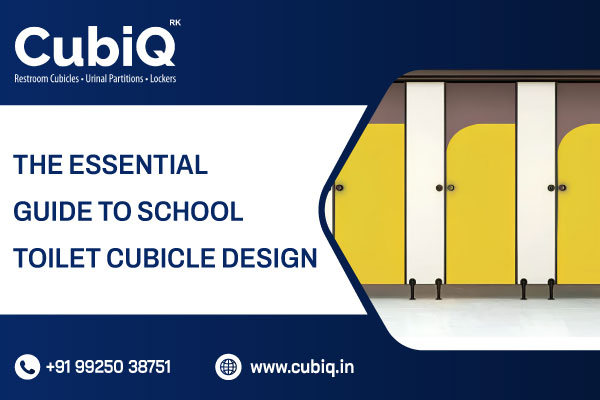
School toilet cubicle designs is essential for improving hygiene, student comfort, and overall health. A thoughtfully designed restroom not only supports cleanliness but also encourages students to maintain good hygiene habits. Well-planned facilities help prevent the spread of infections, reduce absenteeism, and create a healthier school environment. Features such as adequate ventilation, durable materials, proper lighting, and easy-to-clean surfaces enhance both safety and usability. Inclusive designs that cater to children of all ages and abilities foster equality and respect. By prioritizing quality in school toilet design, educational institutions can create spaces that boost student confidence, ensure comfort, and contribute to a positive learning experience.
Importance of School Toilet Cubicle Designs
School toilet design is an important part of ensuring a healthy, safe, and comfortable learning environment.. A well-designed restroom promotes hygiene, reduces the spread of infections, and supports the overall well-being of students. It also plays a key role in boosting attendance and encouraging proper sanitation habits from an early age. Modern school toilet designs focus on accessibility, privacy, durability, and eco-friendly solutions, ensuring facilities are inclusive and sustainable. By avoiding common mistakes such as poor ventilation, inadequate maintenance, and insufficient facilities, schools can provide restrooms that meet the highest standards of functionality and care, enhancing the student experience.
Benefits of Good School Toilet Design
- Improved Hygiene and Sanitation: High-quality designs ensure proper waste management, easy cleaning, and reduced spread of infections. Durable materials and clever design make it easy to keep things clean.
- Enhanced Student Experience: A clean, well-lit, and properly constructed toilet boosts student confidence, alleviates discomfort, and encourages a polite school atmosphere.
- Health and Well-being of Students: Proper ventilation, touchless fixtures, and adequate handwashing stations reduce illness risk, keeping students healthy and present in class.
Factors to Consider in School Toilet Design
- Accessibility and Inclusivity: School toilet designs must be inclusive, catering to students of all ages and abilities. Features like ramps, grab bars, and wider stalls ensure accessibility for children with disabilities, promoting equal use and comfort while meeting safety and regulatory standards.
- Privacy and Security: Ensuring privacy and safety in school bathrooms is essential. Full-length dividers, strong locks, and gender-appropriate design help to establish a safe and polite atmosphere. These measures help reduce anxiety and encourage students to use facilities confidently, improving overall hygiene and well-being.
- User-Friendly Features: Restrooms should have easy-to-use taps, soap dispensers, and low-height sinks to support younger children’s needs. Such features encourage independence in maintaining hygiene, make facilities more child-friendly, and ensure a smooth, comfortable experience for all students, regardless of age or height.
- Durability and Sustainability: Using water-saving fixtures, eco-friendly materials, and sturdy construction enhances sustainability and long-term value. Durable school toilet designs reduce maintenance costs, withstand heavy daily use, and contribute to environmental conservation, aligning with modern green building standards for educational institutions.
Common Mistakes to Avoid in School Toilet Design
- Lack of Maintenance: Ignoring regular upkeep leads to unhygienic conditions and costly repairs over time.
- Inadequate Ventilation: Poor airflow causes odors and bacteria buildup, making restrooms unpleasant to use.
- Poor Layout and Insufficient Facilities: Overcrowding and long queues can be avoided by designing layouts with ample stalls and sinks based on student capacity.
Innovative School Toilet Cubicles Designs
- Gender-Neutral Restrooms: Gender-neutral restrooms provide inclusive facilities for all students, regardless of gender identity. These designs promote equality, respect, and comfort while maintaining high levels of privacy and security. Such restrooms help create a supportive school environment where every student feels safe and valued.
- Eco-Friendly Options: Eco-friendly school toilet designs incorporate sustainable features such as low-flow toilets, sensor-based taps, and recycled water systems. These innovations help reduce water consumption, lower utility costs, and support environmental conservation goals while maintaining optimal hygiene and functionality in school restroom facilities.
- Technology Integration: Technology-driven school toilets feature automated cleaning systems, occupancy sensors, and touchless fixtures to improve hygiene and efficiency. These modern solutions minimize contact, reduce the spread of germs, and ensure restrooms remain clean, well-maintained, and ready for use throughout the school day.
Why Choose CubiQ for School Toilet Designs?
CubiQ is a leading name in providing innovative school toilet cubicle designs that ensure hygiene, comfort, and durability for educational institutions. We specialize in crafting school bathrooms that are functional, safe, and visually appealing, catering to the unique needs of students and staff alike. As a trusted school toilet manufacturer, our solutions are designed to promote cleanliness, improve user experience, and withstand heavy daily usage. We focus on integrating advanced materials, smart layouts, and easy-to-maintain features that ensure long-lasting performance and minimal upkeep.
Being a reputed toilet cubicle manufacturer, we offer customizable options in colors, finishes, and configurations to suit the style and requirements of different schools. Our products are built with a strong emphasis on safety, privacy, and accessibility, ensuring inclusivity for all students. With CubiQ, schools receive more than just functional restrooms—they get thoughtfully designed spaces that foster hygiene, confidence, and comfort.
Conclusion
Investing in well-designed school toilets is essential for improving student well-being, ensuring hygiene, and supporting a positive learning environment. High-quality restroom facilities are not a luxury—they are a necessity for modern educational institutions.
To get more information and discuss your School Toilet Designs requirements, call +91 99241 32951, or email info@cubiq.in. You can simply fill out our Contact Form and we will get back to you as soon as possible.
FAQ
How does good toilet design improve student health?
Proper ventilation, handwashing facilities, and hygienic fixtures reduce bacteria and virus spread. A clean, well-maintained school toilet encourages frequent use, helping students maintain personal hygiene and lowering the risk of infections or related health issues.
What features should be included in school toilets?
Essential features include durable fixtures, proper ventilation, safe flooring, privacy partitions, accessible stalls, and adequate handwashing stations. These elements ensure a safe, functional, and inclusive space for students of all ages and abilities.
How can privacy be maintained in school bathrooms?
Privacy is ensured through full-height partitions, secure locks, and gender-neutral layouts where appropriate. Thoughtful design reduces anxiety, especially among older students, and promotes dignity and respect in shared restroom spaces.
Are gender-neutral restrooms suitable for schools?
Yes. Gender-neutral restrooms promote inclusivity and equality while maintaining privacy and safety. They are especially helpful in supporting students of diverse gender identities and reducing stigma associated with restroom use.
How can school toilets be made eco-friendly?
Eco-friendly designs use low-flow toilets, sensor taps, water-recycling systems, and energy-efficient lighting. These reduce water and energy consumption, aligning with a school’s sustainability goals while cutting long-term operational costs.
What are common mistakes in school toilet design?
Common mistakes include poor ventilation, insufficient facilities, low-quality materials, and lack of maintenance planning. These issues lead to unpleasant environments, increased repair costs, and decreased student satisfaction with restroom facilities.
How often should school toilets be maintained?
Daily cleaning is essential, with regular inspections for repairs and hygiene checks. Preventive maintenance, such as replacing worn parts and checking plumbing, ensures long-term performance and keeps facilities safe and pleasant.
What role does technology play in modern school toilets?
Technology such as touchless taps, automated cleaning systems, and occupancy sensors improves hygiene, reduces water waste, and enhances efficiency, creating a more modern and user-friendly restroom experience for students and staff.
Why invest in high-quality school toilet designs?
High-quality designs ensure durability, hygiene, and a positive student experience. They reduce maintenance costs over time and reflect a school’s commitment to student welfare, safety, and an inclusive learning environment.