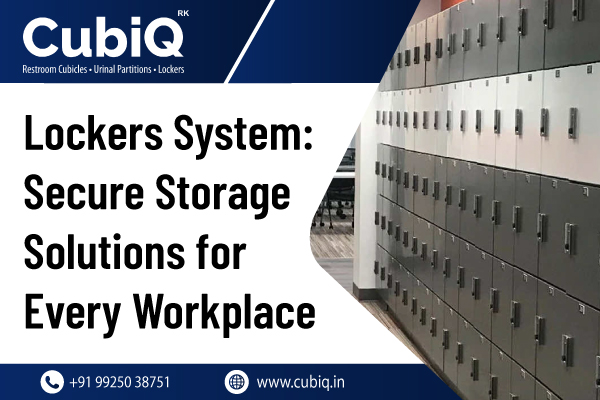
Every workplace manages valuable items—phones, laptops, tools, documents, uniforms, samples, and sensitive data. Without organized storage, these end up on desks or in bags, increasing the risk of loss, theft, and clutter. A locker system delivers a secure, predictable place for personal belongings and company equipment, improving safety and accountability. It also supports compliance in regulated environments requiring custody tracking, cleanroom discipline, and audit trails. Modern lockers offer durable materials, smart locks (PIN/RFID/mobile), charging options, and modular sizes to fit any space. Beyond security, lockers promote order, reduce visual noise, streamline shift changes, and create a professional, welcoming environment for staff and visitors. Invest in lockers to enhance security, efficiency, and workplace confidence.
Importance of secure storage in the workplace
Lockers are purpose-built, secure cabinets designed for individual or shared use. They come in multiple sizes, materials, and locking technologies—from key and padlock hasps to PIN, RFID, and app-based smart locks. Modern locker systems integrate with access control, visitor management, and audit platforms, giving administrators clear oversight while granting users quick, reliable access. The result is a simple, scalable solution that fits offices, hospitals, factories, warehouses, schools, gyms, retail backrooms, hospitality, transport hubs, and public venues.
Why Need Lockers for Secure Storage Solutions
Common security concerns in workplaces
- Theft and misplacement: Personal and company-owned assets left unsecured are prime targets for opportunistic loss.
- Data exposure: Unlocked drawers or shared spaces can reveal sensitive documents or devices.
- Tool control: Industrial sites need clear sign-in/out accountability to avoid downtime caused by missing tools.
- Hygiene and separation: Post-shift storage for uniforms and PPE helps maintain cleanliness and reduces cross-contamination.
- Liability: Employers face reputational and financial risk when personal property goes missing on-site.
Benefits of secure storage for employees and employers
- Trust and comfort: Staff focus better when they know their possessions are safe.
- Professional image: Organized storage communicates discipline and care to clients and auditors.
- Compliance support: Lockable, traceable storage helps meet safety, privacy, and quality standards.
- Operational control: Assigned lockers create accountability for equipment, kits, and documents.
- Space efficiency: Purpose-built compartments turn underused walls and corridors into productive storage.
Impact on productivity and workplace morale
Clutter triggers friction—time lost searching for items, disputes over missing equipment, and stress about security. A locker system removes friction points. Employees transition into and out of shifts faster, teams share assets with confidence, and managers spend less time resolving loss-related issues. The cumulative effect is smoother operations and stronger morale.
Types of Locker Systems Available
- Traditional lockers: Tried-and-true steel or laminate units with key locks, padlock hasps, or mechanical combination locks. They are durable, cost-effective, and easy to service. Ideal for schools, factories, gyms, and back-of-house storage.
- Electronic lockers: Use PIN pads, RFID cards/badges, or magnetic stripe credentials. Electronic locks improve convenience, reduce lost-key issues, and allow basic audit trails. Great for offices, healthcare, and hospitality, where access control is essential.
- Smart lockers: Cloud-connected systems managed via software dashboards and mobile apps. Features include automated assignment, self-service pick-up/drop-off, courier workflows, audit logs, notifications, and integration with HR, SSO, and visitor systems. Popular for flexible offices, click-and-collect retail, field service kits, and laptop swap programs.
- Customizable locker options: Configurable heights, widths, and compartment counts; ventilation for PPE; USB or mains charging; antimicrobial finishes; transparent doors for visual checks; bench bases; sloping tops to deter clutter; and branding options. Tailor the mix to each department’s needs.
- Key Features of Modern Lockers
Security features (locks, surveillance integration)
- Multi-point locking, pry-resistant doors, and concealed hinges.
- Electronic and smart locks with unique user credentials, time-limited access, and audit history.
- Integration with CCTV and access control for event correlation.
- Alarmed tamper detection and emergency override protocols.
Durability and materials used
- Powder-coated steel: High strength for industrial settings; resists wear and corrosion.
- Compact laminate (HPL): Moisture-resistant, ideal for humid areas like washrooms and gyms.
- Stainless steel: Excellent for food processing or healthcare due to hygiene and corrosion resistance.
- Wood/laminate finishes: Premium aesthetic for front-of-house or executive spaces.
Size and space considerations
- Full-height lockers for personal storage and uniforms.
- Half- and Z-lockers for compact spaces while accommodating long coats or PPE.
- Small-item lockers for electronics, keys, scanners, or pharmaceuticals.
- Modular bays that scale with headcount growth.
Accessibility features
- ADA-compliant heights, reach ranges, and clearances.
- D-shaped pulls, contrasting markings, and tactile labels.
- Soft-close hinges and low-force locks.
- Wayfinding signage to reduce confusion in large banks.
Benefits of Implementing a Locker System
- Enhanced security for personal belongings: Dedicated, lockable spaces deter theft and eliminate ambiguity about responsibility. Advanced systems provide user-level access trails.
- Improved organization and decluttering: A tidy environment reduces visual stress and speeds up daily routines—no more ad hoc piles of bags, helmets, or tools around the workspace.
- Flexibility for different workplace environments: Mix and match sizes, finishes, and technologies across departments: smart parcel lockers at reception, ventilated PPE lockers in production, charge-and-store laptop lockers in IT.
- Cost-effectiveness in the long run: Fewer losses, less downtime, and lower admin effort mean stronger ROI. Durable materials and modular designs extend service life and reduce replacement frequency.
Choosing the Right Locker System for Your Workplace
Start by assessing your storage needs: who will use lockers, what they’ll store, and access frequency. Match risks to security—traditional key locks, electronic lockers (PIN/RFID), or smart lockers with software, audit trails, and mobile access. Measure available space and choose modular sizes (full-height, Z-lock, small-item). Select durable materials—powder-coated steel for industry, HPL for humid areas, stainless steel for hygiene. Add conveniences like charging ports, ventilation, and clear numbering. Plan for ADA accessibility, future expansion, and integration with building access control. Compare total cost of ownership: hardware, software, installation, and maintenance. Finally, choose a vendor offering site survey, CAD layouts, warranty, and responsive support.
Installation and Maintenance of Lockers
Steps for proper installation
- Pre-site prep: confirm measurements, wall load ratings, and services.
- Positioning: set plinths or bases; align and level.
- Anchoring: fix to wall/floor per structural and safety guidelines.
- Commissioning: program locks, enroll users, test access.
- Handover: provide documentation, keys/cards, and training.
Regular maintenance tips
- Quarterly checks for hinges, bolts, and alignment.
- Clean with non-abrasive agents suitable for the finish.
- Replace worn bumpers, label holders, and door seals.
- For smart systems, apply firmware updates and test notifications.
Importance of user training and support
Short, clear tutorials reduce support tickets and misuse. Provide quick-start guides, signage, and a help channel for lost PINs/cards or compartment reassignment.
Use Cases by Industry (Examples)
- Corporate offices: Day-use lockers for hybrid staff, visitor lockers at reception, IT lockers for device swaps and after-hours pick-ups.
- Manufacturing & logistics: PPE lockers with ventilation, tool-control lockers with audit trails, scanner charging lockers on the warehouse floor.
- Healthcare: Clean/dirty separation, medication kits with controlled access, staff lockers with antimicrobial finishes.
- Education: Student device lockers with charging, sports kit storage, exam material custody.
- Hospitality & retail: Staff belongings storage, click-and-collect smart lockers, secure cash/keys custody.
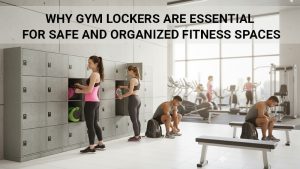
- Public facilities & gyms: Moisture-resistant HPL lockers, wristband RFID access, sloped tops to prevent storage on roofs.
Tech Considerations for Smart Lockers
- Credentials: PIN, RFID, mobile app, QR, or SSO-backed identity.
- Workflows: Day-use, permanent assignment, parcel pickup, equipment checkout.
- Analytics: Occupancy rates, access logs, service alerts, and peak-time heatmaps.
- Integrations: HR systems for auto-onboarding, visitor systems for temporary codes, and courier APIs for last-mile delivery.
- Security & privacy: Role-based permissions, encrypted data, compliant retention policies.
Why Choose CubiQ for Lockers System?
CubiQ is a renowned locker system manufacturer and supplier in Ahmedabad, Gujarat, India, that provides durable materials, accurate engineering, and advanced locking technologies suited to each workstation. Solutions span traditional key-lock units, electronic PIN/RFID models, and cloud-managed smart lockers with software dashboards, audit trails, and mobile access. From concept to commissioning, services include site survey, layout design, fabrication, installation, and responsive after-sales support. Product options cover changing room lockers for gyms, factories, and schools; device and personal storage for offices; and moisture-resistant restroom locker partitions for humid zones. Materials include powder-coated steel for high-impact areas, HPL for wet environments, and stainless steel for hygiene-critical facilities. Accessories such as ventilation, USB/mains charging, sloped tops, numbering, and ADA-friendly hardware enhance usability and compliance.
Smart integrations connect with building access control (RFID/SSO), visitor systems, and parcel workflows, while analytics reveal occupancy, maintenance needs, and peak usage—lowering total cost of ownership. As a Locker Partitions manufacturer in India, customizable modules scale effortlessly as teams grow, protecting budgets and timelines with reliable lead times and stocked spares.
Conclusion
Secure storage protects people, assets, and data. It tidies spaces, supports compliance, and streamlines daily operations across every sector—from offices to plants, clinics to campuses. Lockers are a modest investment with outsized impact: fewer losses, smoother shifts, happier teams, and a professional, organized environment. Audit current storage, identify pain points, and design a locker mix that fits your workflows. Start with one department, measure results, and scale across the site. For designs, pricing, and a site assessment: +91 99250 38751 • info@cubiq.in
FAQ
What types of locker systems are available?
Common options include traditional key-lock lockers, electronic PIN or RFID lockers, and cloud-connected smart lockers. Configurable modules provide full-height, Z-lock, and small-item compartments. Materials vary—powder-coated steel, HPL for humid areas, and stainless steel for hygiene-critical spaces in hospitals and kitchens.
How do smart lockers improve management and security?
Smart lockers use software dashboards for assignments, audit trails, and alerts. Users access via PIN, RFID, QR, or mobile apps. Integrations with HR, SSO, visitor systems, and parcel workflows automate onboarding, enable analytics, and reduce administrative workload and operational costs.
Which features most enhance locker security?
Look for pry-resistant doors, concealed hinges, multi-point locking, tamper alarms, and CCTV integration. Role-based permissions, time-limited codes, and encrypted data protect access. Emergency overrides and event logs help incident response, audits, and compliance with safety and privacy requirements and standards.
Which materials suit different environments best?
Powder-coated steel suits high-traffic industrial areas. Compact laminate (HPL) resists moisture in gyms and washrooms. Stainless steel excels in food, healthcare, and labs. Wood-look laminates deliver premium aesthetics in reception areas while maintaining durability and easy-clean maintenance, with long lifespans.
How many lockers should we plan for?
Start with a user survey covering headcount, shifts, visitors, and contractors. Analyze access frequency and storage needs. Plan 10–20% spare capacity for growth, seasonal peaks, and replacements, ensuring clear numbering, wayfinding, and adequate circulation space around banks and doors clearance.
How do we ensure accessibility and ergonomics?
Choose ADA-compliant heights, reach ranges, and hardware. Provide D-shaped pulls, tactile labels, and contrasting markings. Soft-close hinges minimize force. Include benches, anti-fatigue mats, and good lighting to support safe use for diverse employees and visitors across shifts and abilities daily.
What maintenance keeps lockers reliable long term?
Schedule quarterly inspections for hinges, locks, and alignment. Clean with non-abrasive agents suitable for finishes. Update firmware on smart locks, test notifications, replace worn bumpers and seals, and document service to preserve warranties and extend lifecycle while minimizing unexpected downtime.
What costs matter beyond purchase price?
Evaluate total cost of ownership: hardware, installation, software licenses, power/data, training, and maintenance. Factor in savings from reduced losses, fewer keys, and admin time. Durable materials and modular designs lower replacements, making smart lockers cost-effective long-term for growing organizations nationwide.
How do we implement a locker system successfully?
Engage stakeholders early—HR, IT, Security, Facilities. Run a pilot, collect feedback, and refine layouts. Provide clear policies, signage, and quick-start guides. Offer helpdesk support for credentials, monitor analytics, and iterate settings for sustained adoption across locations and changing workforce needs.