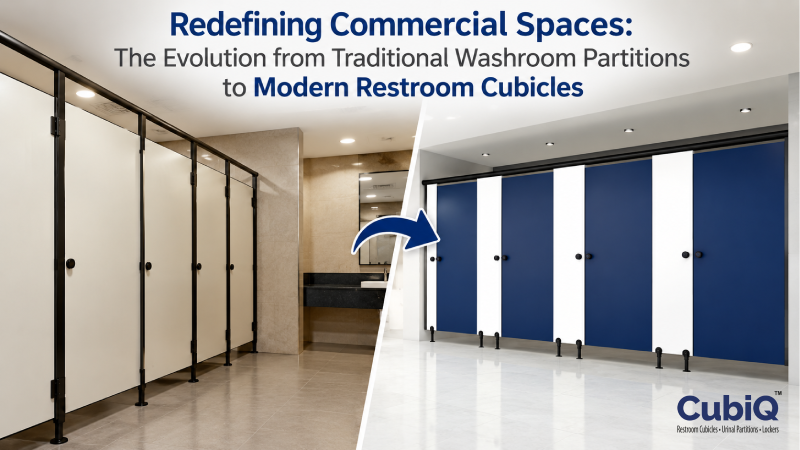
Public toilets play a crucial role in public infrastructure, and their design must prioritize comfort, hygiene, and accessibility. Following standard dimensions ensures these facilities cater to people of all ages and abilities, including those with disabilities. Properly planned layouts not only improve usability but also enhance safety, privacy, and overall user experience. Meeting accessibility guidelines such as ADA standards or local building codes in India guarantees compliance while promoting inclusivity. From stall sizes and urinal spacing to sink height and traffic flow, every measurement matters. A well-designed public toilet provides convenience, efficiency, and dignity for all users.
Importance of Standard Dimensions for Public Toilets
Public toilet design involves precise planning of stall sizes, accessibility features, urinals, sinks, counters, and overall layout. Each element has a set of recommended measurements to ensure comfort, privacy, and functionality, while maintaining proper traffic flow inside the restroom.
Toilet Stall Dimensions
- Standard Width and Depth for Comfortable Usage: For regular toilet stalls, the standard width is usually 36 inches (91 cm) and the depth ranges between 60 inches (152 cm) to 72 inches (183 cm). These measurements allow sufficient movement space for most users.
- ADA-Compliant Dimensions for Accessibility: Accessible stalls must be larger, generally 60 inches (152 cm) wide with a depth of 60–78 inches (152–198 cm). This extra space accommodates wheelchair turning and maneuvering without restrictions.
- Recommended Minimum Height for Privacy: Partitions should be at least 58 inches (147 cm) high, with doors and panels installed for full privacy. In modern designs, full-height cubicles are often preferred to enhance comfort.
Handicap-Accessible Features
- Grab Bar Placement and Dimensions: Grab bars should be positioned 33–36 inches (84–91 cm) above the floor, with horizontal bars extending at least 42 inches (107 cm) on the side wall and 36 inches (91 cm) on the rear wall for adequate support.
- Clearance Space for Wheelchair Access: An accessible stall should provide at least 60 inches (152 cm) turning radius or a T-shaped turning space to meet accessibility requirements.
- Sink Height and Knee Clearance: The height of accessible sinks shall not exceed 34 inches (86 cm) above the floor, with a minimum of 27 inches (69 cm) knee clearance and 30 inches (76 cm) of open floor space.
Urinal Dimensions
- Standard Height and Depth for Optimal Use: The standard rim height for urinals is 24 inches (61 cm) from the floor for adults, and 17 inches (43 cm) for ADA-compliant urinals. Depth from the wall should be at least 14 inches (35 cm).
- Spacing Between Urinals for Privacy: The recommended spacing between urinals is 30 inches (76 cm) from center to center. Privacy dividers are recommended, with a width of 12-18 inches (30-46 cm).
- ADA Guidelines for Urinals in Public Restrooms: At least one urinal must comply with ADA height and clearance standards, with the front edge projecting at least 13.5 inches (34 cm) from the wall for easier access.
Sink and Counter Dimensions
- ADA-Compliant Sink Height and Knee Clearance: For standard sinks, a height of 34 inches (86 cm) is optimal, with knee clearance of 27 inches (69 cm) high, 30 inches (76 cm) wide, and 11–25 inches (28–63 cm) deep.
- Recommended Counter Depth and Width for Usability: Counter depth should be around 20–25 inches (51–63 cm), with a width that accommodates multiple sinks without crowding, typically 30–36 inches (76–91 cm) per sink.
- Spacing Between Sinks for Comfort and Privacy: Leave at least 24 inches (61 cm) center-to-center spacing between sinks to allow comfortable use by multiple people at the same time.
Overall Layout Considerations
- Traffic Flow and Spacing Between Fixtures: Restroom layouts should be designed to maintain smooth traffic flow, preventing congestion during peak usage. A minimum clearance of 36 inches (91 cm) between pathways and fixtures ensures comfortable movement for all users, including those using mobility aids like wheelchairs or walkers.
- Location of Amenities such as Paper Towel Dispensers and Hand Dryers: Install paper towel dispensers and hand dryers 40–48 inches (102–122 cm) from the floor for accessibility. Position them near sinks or exits to improve convenience while avoiding blockage of movement, ensuring the restroom remains functional and user-friendly at all times.
- Importance of Clear Signage for Proper Usage: Display clear, universally recognized restroom symbols for male, female, and accessible facilities. Mount signs 48–60 inches (122–152 cm) above the floor to maintain high visibility, ensuring all visitors can easily identify and access the appropriate restroom without confusion.
Why Choose CubiQ for Public Toilet Cubicles?
CubiQ is a leading name in delivering innovative and high-quality public toilet designs that meet the highest standards of functionality and aesthetics. We specialize in creating public toilet cubicles that prioritize safety, hygiene, and long-lasting performance, making them ideal for busy public environments. Our solutions are designed to comply with accessibility regulations, ensuring comfort and usability for everyone, including people with disabilities. As one of the most trusted public toilet cubicle manufacturers in India, CubiQ combines robust construction with modern styling to deliver products that are both durable and visually appealing. Our cubicles are easy to clean, resistant to wear, and built to withstand heavy usage, making them a cost-effective choice for facility managers.
Whether for malls, airports, schools, or public parks, CubiQ provides tailor-made solutions that enhance user experience and support inclusive design. Contact us today to discover how our expertly crafted Public Toilet Cubicles can transform your facilities into safe, hygienic, and welcoming spaces.
Conclusion
Standard dimensions for public toilets are essential for comfort, safety, and inclusivity. From stall sizes and urinal heights to sink placement and traffic flow, each detail plays a role in creating efficient and user-friendly restrooms. Prioritizing accessibility ensures compliance with regulations while serving the needs of all users. Regular maintenance, combined with high-quality cubicle solutions, ensures long-lasting functionality.
To get more information and discuss your Public Toilet Cubicle design requirements, call +91 99241 32951 or email info@cubiq.in. You can also fill out our contact form, and we will get back to you at your earliest.
FAQ
What is the standard size for a toilet stall?
A standard toilet stall is usually around 36 inches wide and 60 inches deep, providing adequate space for comfortable use while maintaining privacy. ADA-compliant stalls are larger to accommodate wheelchairs.
What are ADA-compliant toilet stall dimensions?
ADA-compliant stalls are at least 60 inches wide and 56–59 inches deep, with additional space for wheelchair turning and transfer, plus grab bars for support.
How high should grab bars be installed?
Grab bars are typically installed at a height of 33–36 inches from the floor to provide support and stability for people with mobility challenges.
What is the standard spacing between urinals?
Urinals should be at least 30 inches apart, measuring from center to center, to provide users' security and ease.
How high should urinals be placed?
Standard urinals are mounted at about 24 inches from the floor, while ADA-compliant urinals are installed at a height of 17 inches.
What is the recommended sink height in public toilets?
Standard sinks are installed at 34 inches from the floor, while ADA-compliant sinks are at 29–34 inches with sufficient knee clearance underneath.
How much clearance space is needed for wheelchair access?
To allow for seamless wheelchair maneuvering, public restrooms should have a turning area of at least 60 inches.
How should restroom traffic flow be planned?
Restroom design should provide at least 36 inches of walkway clearance between fixtures to allow for smooth circulation and minimize congestion.
Why is clear signage important in public toilets?
Clear, universally recognized signage ensures users can easily locate and identify appropriate facilities, promoting accessibility and reducing confusion.